Local SIM or eSIM: buying a SIM card abroad vs a travel eSIM
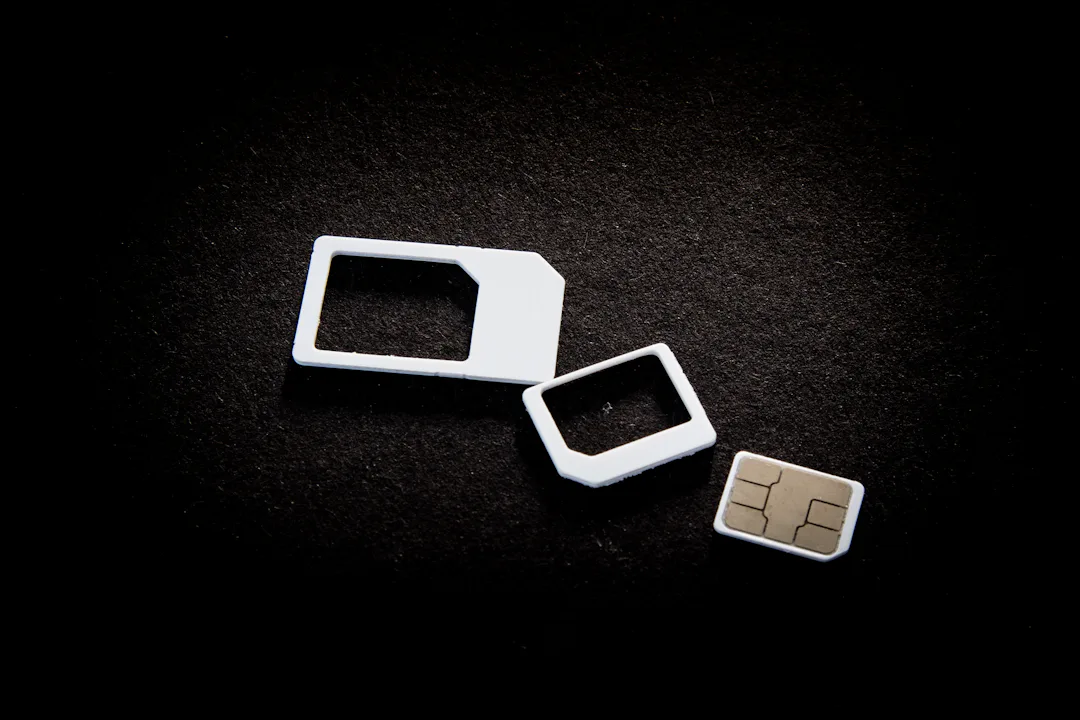
For years the standard travel tip was simple: land, find a phone shop, buy a local SIM card. It still works in many places, but it’s no longer the only way to get data abroad. If you’re weighing up a local SIM or eSIM, the real differences are in what happens around the purchase: the paperwork, the queue, the little card in your hand, and what happens to your own number. This guide walks through both, so you can pick the one that suits your trip.
What buying a local SIM card involves
A local SIM is a prepaid card from an operator in the country you’re visiting. You buy it at an airport counter, an operator’s store, or sometimes a kiosk or supermarket, and top it up with credit or a bundle. That sounds quick, and sometimes it is. But a few steps are easy to underestimate.
You’ll usually need your passport
Most countries don’t sell anonymous SIM cards. According to the GSMA, the mobile industry association, 157 countries required prepaid SIM cards to be registered to a person as of 2021. In practice the seller scans or copies your passport and links the number to you. A few examples:
- Germany: since July 2017, a prepaid SIM can only be activated after the buyer’s identity has been checked with an identity document.
- Switzerland: operators are required by law to identify everyone who buys a SIM card with an identity document.
- Thailand: SIM cards are registered to their user, and as of November 2026 foreigners register in person with their passport at an operator’s branch or an authorised dealer. The rules have tightened several times recently.
Rules change, and they differ between operators and shops. If you plan to buy a local SIM, check the current requirements for your destination and keep your passport with you, not in the hotel safe.
Finding a shop at the right moment
Airport counters are convenient but can have long queues when several flights land at once, and they may be closed if you arrive late at night. Operator stores in town keep shop hours, and staff may not speak your language. Small towns and islands may only have a reseller with a limited choice. Meanwhile you’re without data for the taxi, the hotel address or the message home saying you’ve arrived.
Swapping the card
A physical SIM means opening the SIM tray, which needs the small ejector tool or a paperclip. If your phone has one tray, your home SIM comes out and has to be kept somewhere safe for the rest of the trip: it’s tiny and easy to lose. If your phone has no SIM tray at all, which is the case for some newer models in some countries, a physical local SIM isn’t an option.
Registering your phone
Some countries also register the phone, not only the SIM. In Turkey, for example, a phone brought from abroad and used with a Turkish SIM has to be registered after a limited period, reported as up to 120 days. A travel eSIM from abroad isn’t a Turkish SIM, but if you buy a local card for a long stay, check the rules first. More in our Turkey eSIM guide.
What a travel eSIM does differently
A travel eSIM is a digital SIM you buy in the Visomu app and install on your phone, at home and on Wi-Fi, before you leave. Not sure what that means? Start with what an eSIM is.
- No shop, no queue. The eSIM is on your phone before you fly. It connects to a local network when you arrive.
- Validity starts when it first connects in the destination country, not when you buy it. A plan that also covers the place where you install it may start at once, so install a Europe plan at home with that in mind.
- Your home SIM stays in. Nothing to take out, nothing to lose.
- An install deadline. Each eSIM has to be installed within a set time after buying. The app shows a countdown and sends reminders.
- Data only. Travel eSIMs give you mobile data, not a local phone number.
Local SIM or eSIM: your own number
This is the point people often miss. When you swap your home SIM for a local card in a single-SIM phone, your own number is off for the whole trip. Bank codes by text, a call from the airline, a message from a delivery service at home: none of them reach you until you put your SIM back.
With a travel eSIM, your home SIM stays active next to it. You can keep your own number on for calls and texts and use the eSIM for data. Turn off data roaming on your home line so it can’t start roaming charges. WhatsApp and similar apps keep working with your usual account, because they’re tied to your number, not to the line that carries the data. Our guide to keeping WhatsApp and your number explains the settings, and dual SIM explained covers how the two lines share the phone.
When a local number is worth it
A local SIM gives you something a data-only eSIM doesn’t: a phone number in that country. That can matter if:
- you’re staying for months, working or studying, and need a local number for a landlord, a bank or a doctor;
- a service you need only accepts a local number for sign-up or verification codes;
- you expect to make many local calls, to restaurants, guides or drivers who don’t use messaging apps.
For a holiday of a week or three, most of this is covered by messaging and calling apps over data. Many hotels, tour operators and taxi apps are reachable that way.
Check that your phone is unlocked
Both options need a phone that accepts another operator’s SIM. A phone bought on a contract can be locked to that operator. On an iPhone, go to Settings › General › About and look at Carrier Lock: “No SIM restrictions” means it’s unlocked. Only your operator can unlock a locked phone, so ask before you travel. For an eSIM you also need a phone that supports eSIM: see how to check.
Which one suits your trip
A travel eSIM is usually easier when
- you want data the moment you land, without hunting for a shop;
- you want to keep your own number reachable;
- you’re visiting several countries: a regional plan covers them with one eSIM (see regional and global plans);
- you’d rather not hand over a copy of your passport.
A local SIM can make sense when
- you need a local phone number;
- you’re staying long enough to register and manage a local prepaid account;
- your phone doesn’t support eSIM but has a SIM tray and is unlocked.
Before you go
- Check that your phone is unlocked, and whether it supports eSIM.
- If you choose an eSIM, install it at home on Wi-Fi before its install deadline, and keep it switched off until you travel if the plan covers home.
- If you choose a local SIM, check the ID rules, the opening hours at your arrival airport and bring the SIM tool.
- Either way, download offline maps and your hotel address before you leave, so the first hour doesn’t depend on a connection.
Frequently asked
Do I need a passport to buy a SIM card abroad?
Usually, yes. Most countries require prepaid SIM cards to be registered to a person; the GSMA counted 157 such countries in 2021. Germany, Switzerland and Thailand are examples. The seller checks or copies your passport. A travel eSIM bought in the app before you leave doesn’t involve a shop.
Can I keep my own number with a local SIM?
Only if your phone can use two SIMs at once. In a single-SIM phone, your home SIM comes out and your number is unreachable until you put it back. With a travel eSIM your home SIM stays in, so you can keep your number for calls and texts and use the eSIM for data.
Does a travel eSIM give me a local phone number?
No. Travel eSIMs are data only. You can still call and message over data with apps, and your own number stays available on your home SIM. If you need a number in the country itself, a local SIM is the way to get one.
Will a local SIM or an eSIM work on a phone from my operator?
Only if the phone isn’t locked to that operator. On an iPhone, Settings › General › About shows “No SIM restrictions” next to Carrier Lock when it’s unlocked. Only your operator can unlock it, so ask before you travel.
Is it a problem if I arrive late at night?
For a local SIM it can be: airport counters may be closed or busy and town shops keep normal hours. A travel eSIM is installed before you leave and connects to a local network when you arrive, at any hour.