Cape Verde eSIM guide: networks, resort Wi-Fi and staying online from Sal to Santo Antão
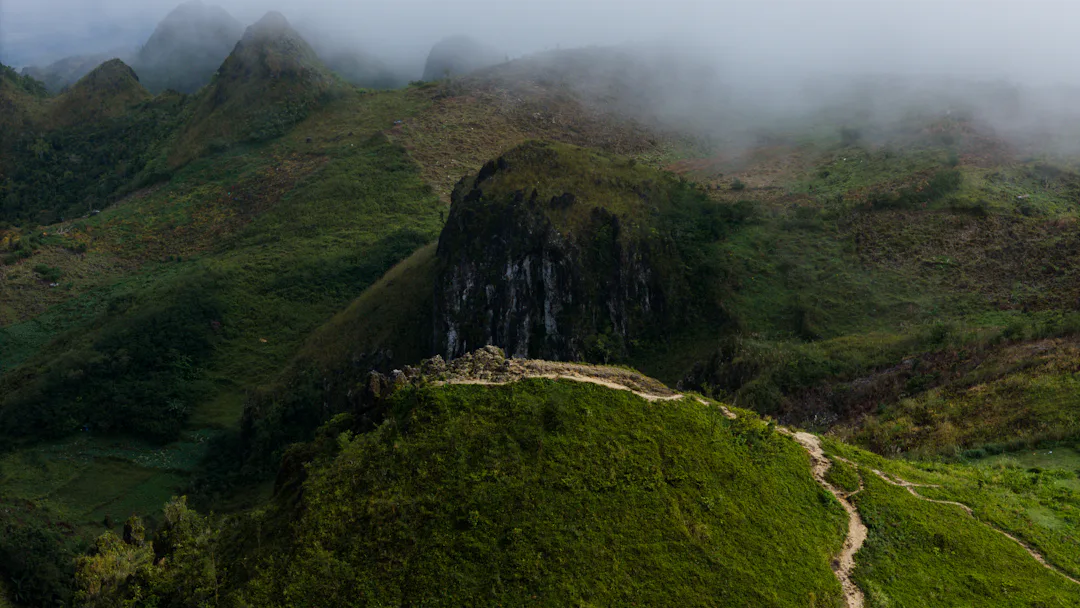
Most people fly to Cape Verde for a week of sun on Sal or Boa Vista; a growing number come for the trails of Santo Antão, the volcano on Fogo or the music of Mindelo. Either way, the islands sit off West Africa, well outside the EU, and that changes what your own phone plan costs there. A Cape Verde eSIM gives you mobile data on the islands at a price you know before you leave, while your own SIM stays in the phone.
This guide covers roaming on your own plan, the two local networks, what to expect on the resort islands and in the mountains, island hopping and setup. The eSIM plans for Cape Verde are in the Visomu app.
Is Cape Verde included in your plan?
Usually not. Cape Verde is an independent country, not part of the EU or the EEA, so the EU’s “roam like at home” rules don’t apply there, even though Portuguese is the official language and many flights come from Lisbon.
- Plans from the EU: Cape Verde normally falls in a rest-of-world zone, where data is charged per megabyte or through a paid add-on. A few plans include it; check your operator’s roaming page.
- Plans from the UK: European roaming add-ons are usually limited to Europe, so check whether Cape Verde is in your operator’s list before you rely on it.
- Plans from the US and elsewhere: your operator’s international rates apply.
Our guide to what a week abroad costs with roaming or an eSIM shows how to compare.
Cape Verde’s two mobile networks
There are two mobile operators: Alou, the brand that the national operator CVTelecom has used since October 2023 for what used to be CVMóvel, and Unitel T+. According to the regulator ARME, CVTelecom held about two thirds of active SIM cards in March 2026 and Unitel T+ about one third. Mobile is how most people in Cape Verde get online: it made up 86% of internet subscriptions in the same figures.
Both run 4G alongside older 3G and 2G. 5G is not something to count on yet: as of November 2026 it exists only as a 12-month pilot that started in April 2026 at the technology park in Praia, with a commercial launch planned for 2027 or 2028. A travel eSIM connects through a local network; which one depends on the plan.
Coverage: towns, beaches and the mountains
Cape Verde is ten islands, nine of them inhabited, and coverage follows the people. Neither operator publishes a coverage figure that we could verify, so treat what follows as a rule of thumb.
- Sal and Boa Vista: the resort strips around Santa Maria and Sal Rei, the towns and the airports are where you can expect a usable connection. On quad or jeep tours through Boa Vista’s desert interior and on remote beaches, expect gaps.
- Santiago and São Vicente: Praia and Mindelo are the two cities and the best-connected places in the country.
- Santo Antão, Fogo, São Nicolau and Brava: villages and main roads generally have signal, but deep ravines, high ridges and the crater floor on Fogo can leave you with none.
Resort Wi-Fi on Sal and Boa Vista
Most all-inclusive hotels offer free Wi-Fi, and for messages in the evening it may be all you need. Its limits show quickly, though: the signal is often strongest in the lobby and around the pool, it slows down when the hotel is full and everyone is uploading the day’s photos, and it ends at the hotel gate. On the beach, at the kite spot in Santa Maria, on an excursion or in a taxi into town you’re back on mobile data.
A small data plan also means you don’t have to log in to every café and beach bar network, and you can look things up on the spot: the wind forecast, a restaurant, the way back to the hotel.
Island hopping: flights, ferries and changes
Getting between the islands is where mobile data earns its keep. Domestic flights connect the main islands; ferries do the rest, the busiest route being the crossing of about an hour from Mindelo on São Vicente to Porto Novo on Santo Antão. Plans change often:
- The UK government’s travel advice notes that sea travel to Fogo and Brava in particular is often disrupted.
- Sandstorms between December and February can disrupt flights, especially on Boa Vista.
Rebooking messages, new departure times and your next guesthouse all arrive by e-mail, WhatsApp or app, so being reachable away from Wi-Fi saves a lot of waiting around at harbours and airports.
Hiking on Santo Antão and Fogo
The classic hikes, down from the Cova crater into the Paul valley or up Pico do Fogo, the country’s highest summit, lead through exactly the terrain where signal comes and goes. Before you set off:
- download offline maps and the route to your phone, and save your guesthouse’s address;
- tell someone where you’re going and when you expect to be back;
- note the emergency numbers: 130 for an ambulance, 131 for the fire service and 132 for the police.
The eSIM is for data only and has no phone number, so keep your own SIM switched on in the phone for calls. The UK government also advises checking with your travel provider before visiting Fogo or Brava, where earth tremors are mostly felt.
Power cuts and your battery
Electricity isn’t always a given. In 2025 parts of Praia went through weeks of power cuts lasting many hours, after generators on Santiago broke down, and residents told reporters their phones ran flat. Resorts usually have their own backup, but if you stay in town or in a guesthouse, keep your phone charged and carry a power bank, also on hikes.
A local SIM instead?
You can buy a prepaid SIM in an Alou or Unitel T+ shop. Activation starts with registering the customer, so take your passport. It means finding a shop after you land and giving up your own SIM slot, unless your phone takes two. A travel eSIM is bought and installed in the app before you go, and your own SIM stays where it is.
Choosing a Cape Verde eSIM plan
How much data you need depends more on the kind of trip than on its length:
- A resort week: messages, maps and photos while you’re away from the hotel Wi-Fi. This takes relatively little.
- Island hopping: maps, ferry and flight updates, bookings and translation on top, every day. Plan for more.
- Working or streaming on mobile data: video and video calls use the most by far, often a gigabyte or more an hour in HD.
Where the plan allows it, you can add data in the app, and the app tells you before you buy whether a plan can be topped up. For some destinations there are day passes for the number of days you choose; the app shows whether one is offered for Cape Verde. Every price is the final price, VAT included, paid by card or Google Pay.
Setting up before you fly
The plan’s validity starts when the eSIM first connects to a network in Cape Verde, so installing it at home starts nothing. Check that your phone supports eSIM, then install it a few days before you leave, on your home Wi-Fi, before the install deadline: the app shows a countdown and sends reminders. Our guides for iPhone and Android go through the steps.
- Name the new line, for example “Cape Verde”.
- Keep your own SIM as the line for calls and texts, so bank codes still reach you.
- Turn off data roaming on your own line before you board.
- After landing on Sal, Boa Vista or Santiago, switch mobile data to the eSIM, and turn on data roaming for it if the app’s instructions say so.
WhatsApp and other apps keep working over the eSIM’s data with your usual number; see how to keep WhatsApp and your own number. If something doesn’t work, tap “Mail us” in the app and we’ll reply by e-mail.
Frequently asked
Does EU roaming cover Cape Verde?
No. Cape Verde is not in the EU or the EEA, so roam like at home doesn’t apply. Most European plans charge for it as a rest-of-world destination; check your own operator’s rates before you go.
Which mobile networks are there in Cape Verde?
Two: Alou, the brand of the national operator CVTelecom (formerly CVMóvel), and Unitel T+. Both offer 4G. As of November 2026, 5G only exists as a pilot in Praia, with a commercial launch planned for 2027 or 2028.
Is the hotel Wi-Fi on Sal or Boa Vista enough?
For messages in the evening it can be. It is often weaker away from the lobby and pool, slows down when the hotel is busy and stops at the gate, so on the beach, on excursions and in town you need mobile data.
Will I have signal when hiking on Santo Antão or Fogo?
In villages and on main roads, usually. In deep ravines, on ridges and in the Fogo crater it can disappear. Download offline maps, tell someone your route and keep your own SIM on for calls.
Does my Cape Verde plan start when I install it?
No. Validity starts when the eSIM first connects to a network in Cape Verde. Install it at home on Wi-Fi a few days before you fly, before its install deadline.